
Yarn winding: what is it and what is it for
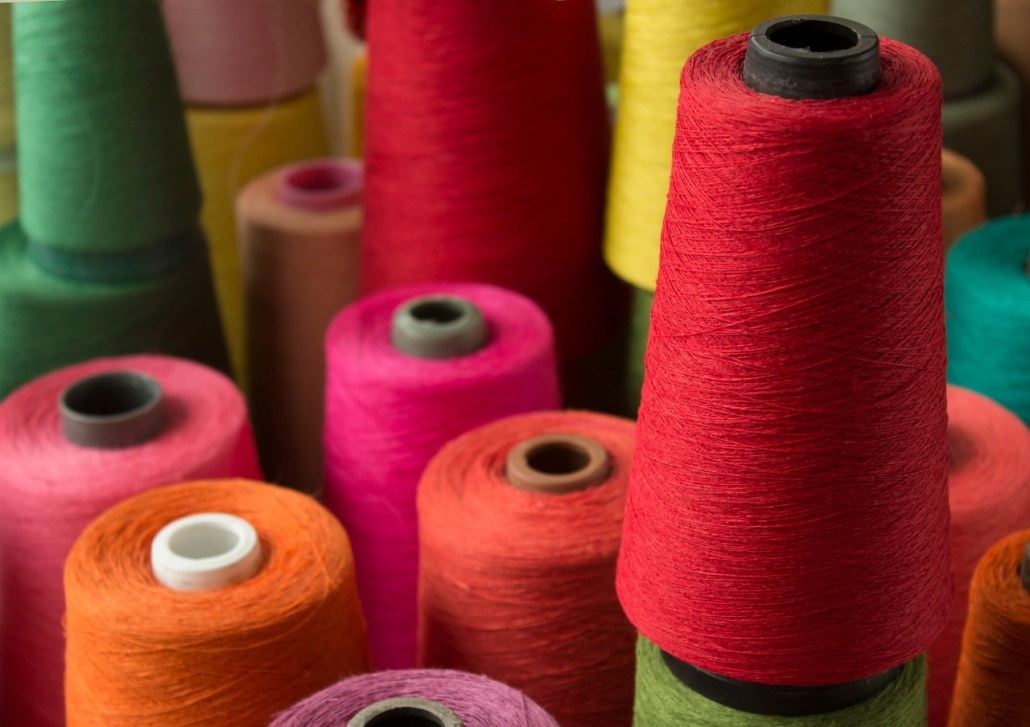
Discover the importance of yarn winding in the textile industry: how it works, what it is used for and the importance of the right cones
In the world of textile production, there are processes that are fundamental but often little known outside the trade. One of these is yarn winding, a technical and crucial step in the processing of yarns because it allows them to be used efficiently in the subsequent stages of production, such as weaving, knitting or dyeing.
In this article we will find out what winding is, what it is used for, and what are the main characteristics of winding cones, with a focus on those made of plastic.
What is yarn winding?
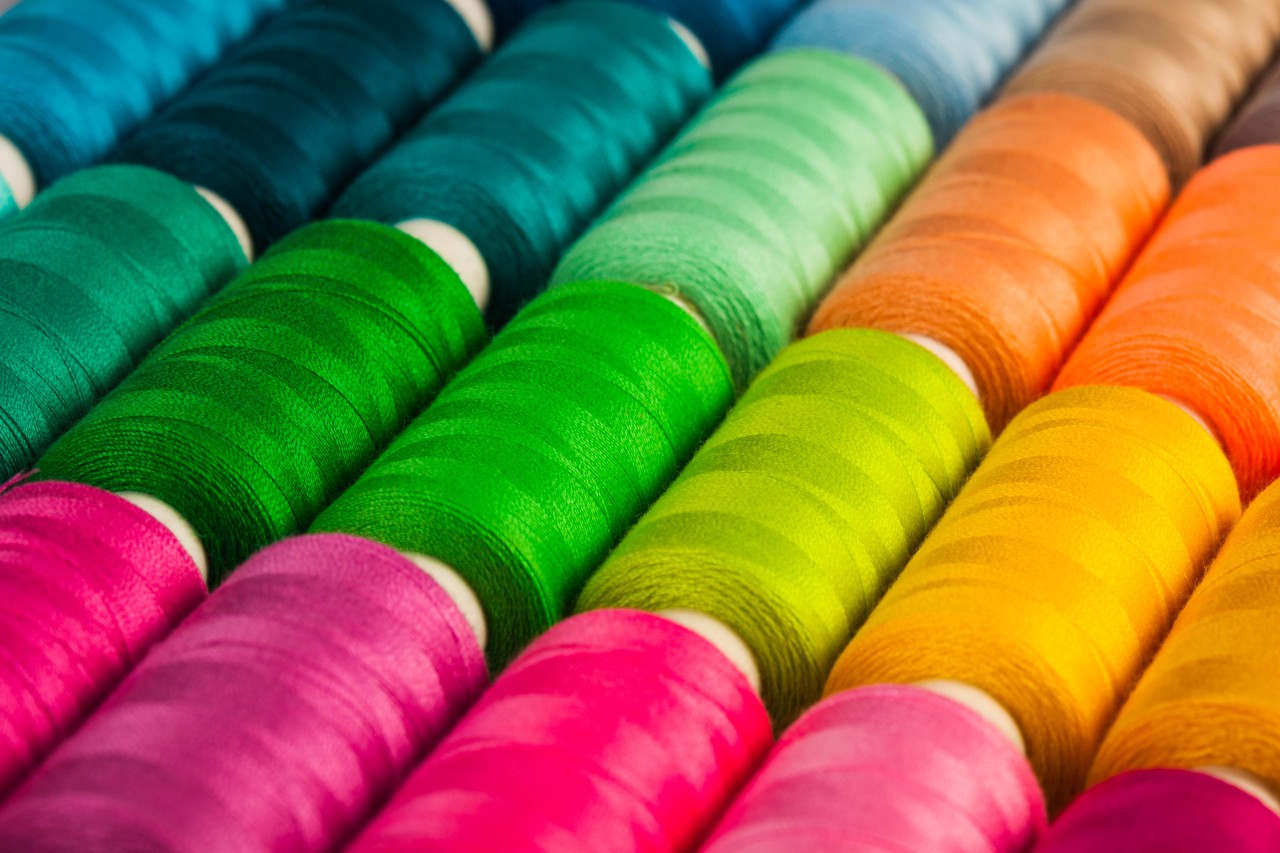 Winding is a mechanical process of winding the yarn onto cones or packages in an orderly and uniform manner. The aim is to create a compact structure that allows easy unwinding of the yarn during the subsequent processing stages. During spinning, yarn can be collected on bobbins or spindles that are not ideal for end use. Yarn winding comes into play precisely to transfer these yarns onto more suitable supports: cones. The yarn is wound according to certain tensions and criteria in order to maintain the quality and efficiency of the product.
What is winding used for?
The winding of yarns is a fundamental process within the textile industry. Not only does it serve to facilitate and make possible the subsequent steps in the process; it mainly serves to
- make the yarn workable: unspooled yarn tends to be unstable and impractical to use in textile machinery;
- eliminate impurities and defects: during winding, the yarn can be checked visually and mechanically, identifying and removing knots, breaks or dirt;
- equalise tension: a constant tension in the yarn is essential for trouble-free weaving or dyeing;
- prepare the yarn for dyeing: winding is often the step before the dyeing bath, as the yarn must be compact but permeable to colour;
- optimize transport and storage: neat packages take up less space and are easier to stack, transport and store.
Yarn winding cones: why they are essential
Winding cones are the supports on which the yarn is wound. Their conical shape allows for a compact and stable winding and subsequent smooth unwinding. There are cones in different materials, but plastic winding cones are among the most common and popular in the industry. Let’s see why.
Plastic winding cones: the advantages
Plastic winding cones are a highly efficient and widely used solution in the textile industry for winding and storing yarns. Compared to traditional alternatives, such as cardboard cones, plastic cones offer numerous advantages in both technical and economic terms, helping to improve the performance of production processes and the quality of the finished product. Among the main advantages of this type of cones are:
- resistance and durability: plastic is light but extremely resistant to wear, impact and the chemicals used in dyeing. This makes them particularly suitable for industrial contexts where it is necessary to automate the production cycle and guarantee uninterrupted operation;
- reusability: they can be reused many times, making them an economical and sustainable choice;
- precision: plastic production guarantees very tight dimensional tolerances, improving the regularity of winding;
ease of cleaning: plastic cones can be washed and sanitised easily, reducing the risk of contamination between yarn lots; - compatibility with a wide range of automatic yarn winding machines, thanks to their mechanical strength and dimensional stability. They can be designed in different shapes and colours, facilitating batch traceability and logistical organisation within plants.
The adoption of plastic winding cones is therefore a strategic investment for textile companies wishing to focus on efficiency, quality, sustainability and innovation in their production processes.
Yarn winding process: a strategic stage in production
Talking about the yarn winding process means entering the heart of the production chain. This intermediate step enables manufacturers to adapt the yarn to different end uses: from technical clothing fabrics to high fashion knitwear, each destination requires precise standards in terms of compactness, regularity and cleanliness of the yarn.
Furthermore, winding also makes it possible to prepare yarns for high-speed industrial processes, where the homogeneity of the winding process makes the difference between a smooth production process and one subject to continuous stoppages.
Like any production step, winding can directly influence the final quality of the fabric. Poorly executed winding can cause:
- interruptions in the processing
- visual defects in the fabric;
- problems during dyeing;
- material waste.
For this reason, many manufacturers invest in state-of-the-art yarn winding machines and high quality winding cones with features designed to improve yarn performance.
Beschi’s solutions for optimal winding processes
 For over 50 years Beschi has been manufacturing plastic accessories specifically designed for the textile industry. The company offers high quality materials designed to guarantee a durable and hard-wearing end product capable of supporting the most complex processing operations with different machinery, such as cone yarn winding machines.
Among the different textile accessories Beschi offers a complete range of yarn winding cones and cylindrical plastic tubes designed to ensure optimal performance during the winding process of yarns, whether natural or synthetic.
Available in numerous formats, colours and sizes, these cones are manufactured strictly in Italy from high quality materials. Each product ensures precise adherence to tolerances and a high degree of roundness of the diameters, which are essential to achieve even, efficient and imperfection-free winding.
Whether it’s single-use or multi-use textile cones, Beschi’s proposal adapts to the needs of the most diverse textile applications, offering reliability, durability and maximum compatibility with the most popular winding machines.
If you need more information about Beschi’s plastic accessories for the textile industry, don’t hesitate to contact us!