
Innovation and sustainability: the future of the textile industry
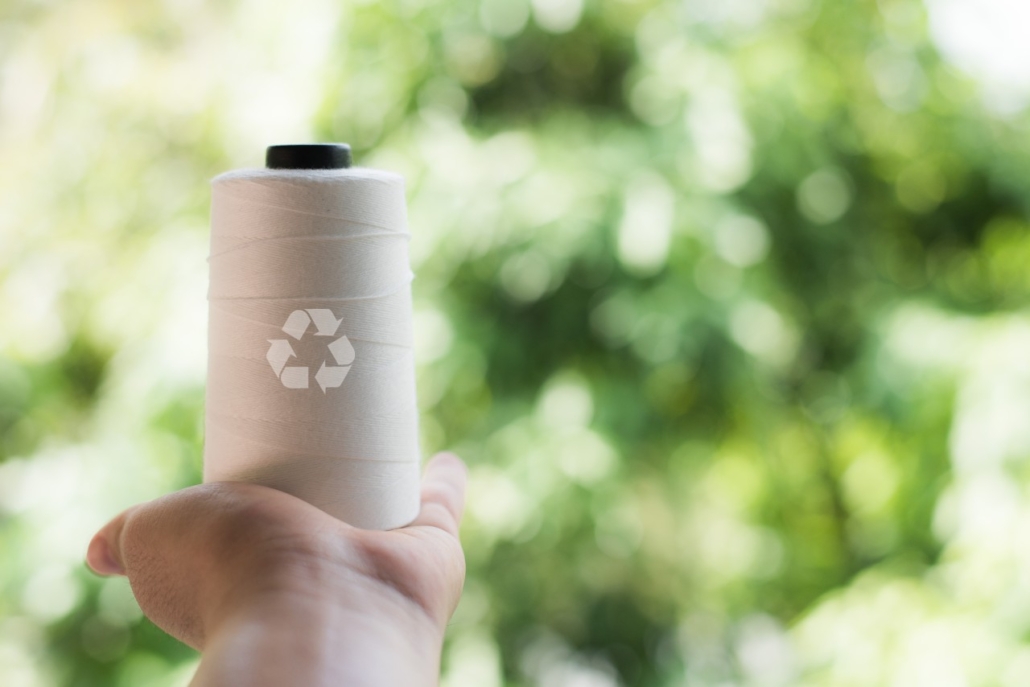
Technology, recycled materials and new production approaches change the textile industry towards a more responsible future
The textile industry is undergoing a profound transformation, driven by environmental urgency and technological progress. The adoption of innovation and sustainability-based strategies in industry is no longer an option, but a necessity. The sector, which has always been linked to intensive and impactful processes, today looks to the future by focusing on new technologies, recycled materials and production processes with low environmental impact.
The change affects the whole supply chain: from the production of yarns, to the choice of materials, to the production of plastic accessories for the textile industry, such as cylindrical tubes and plastic cones, also subject to rethinking in green optics.
Sustainability in the textile industry: from slogan to reality
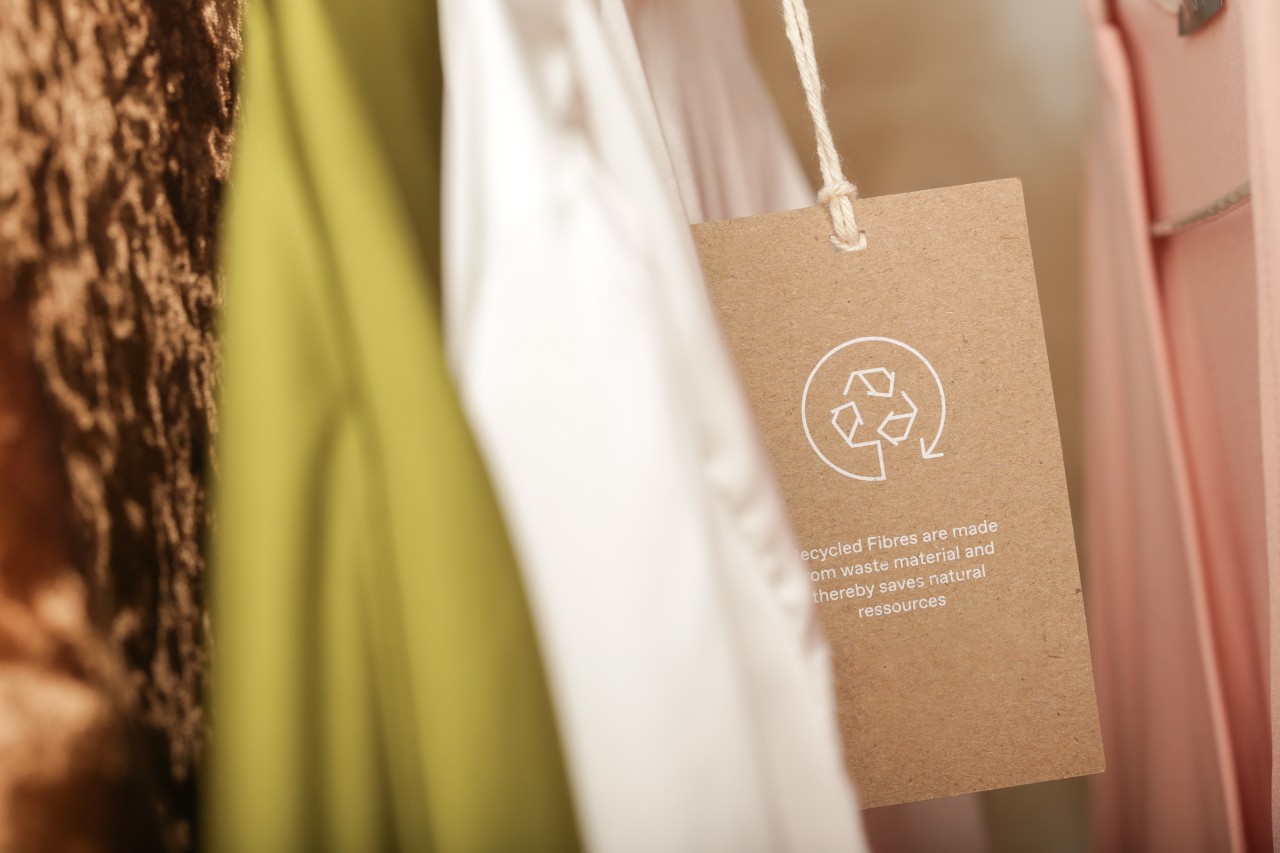 Textile sustainability has become a central pillar for companies, brands and consumers. We are increasingly talking about the circular economy, traceability and use of recycled or biodegradable materials. Many companies are investing in more sustainable and environmentally friendly manufacturing solutions and processes, adopting ethical approaches throughout the supply chain.
One of the main challenges is to reduce the environmental impact related to the use of water, energy and chemicals in production processes. This is where innovative solutions come into play, saving resources, reducing emissions and improving product quality.
Technology and innovations in the textile industry
Technology and innovations in the textile industry are now at the heart of the ongoing transformation. From intelligent machinery to quality control and consumption management software, digitisation is changing the face of the industry.
Innovations in the textile sector include, for example:
- tissue treatment with cold plasma;
- the use of natural fibres advanced or derived from waste materials;
- 3D printing for accessories and prototypes.
Even the classic plastic yarn winding cones and cylindrical tubes used in the packaging and transport of yarns are now made with recycled plastics, drastically reducing the environmental impact.
The role of AI for greater sustainability
Artificial intelligence is emerging as a powerful catalyst for sustainability in the textile and fashion industry. With the ability to analyze complex data and optimize processes, AI can help reduce waste, improve efficiency and extend product life, making a more sustainable approach possible on multiple levels.
Some of the most promising applications include:
- assisted design and digital prototyping, enabling virtual samples to be created without the need for raw materials, energy or water. 3D simulations of fabric draping, fit assessments and visual previews in different colours drastically reduce the production of physical prototypes.
- AI can be trained to reuse textile waste, by analysing existing business models and designs to propose new internal uses of waste materials, thus fostering the circular economy.
- Other applications include supply chain optimisation, intelligent stock management and improved logistics, all key aspects of reducing emissions and limiting waste.
- Predictive analysis of consumer behaviour and feedback can help to design more durable and functional garments, contributing to the creation of products in line with market needs and environmental objectives.
Plastic accessories reinvent themselves: yarn winding cones and tubes in green key
A concrete example of how textile innovation and sustainability go hand in hand is represented by the plastic accessories for the textile industry, fundamental but often overlooked from an environmental perspective. Plastic cones, used to wrap yarn and fabrics, as well as cylindrical tubes, are now designed with lighter materials, resistant and recyclable.
Some companies, including Beschi, are investing in the production of accessories with post-production plastics, reducing the use of virgin resources and improving the recyclability of the finished product. These elements, although small, play a crucial role in the overall textile sustainability.
The role of consumers and certifications
Today, consumers are more aware and attentive. They want transparency, quality and respect for the environment. Certifications, such as GOTS (Global Organic Textile Standard) or OEKO-TEX, are becoming increasingly decisive in purchasing choices. The interest in the sustainability of the textile industry is also reflected in the success of upcycling, circular clothing and ethical fashion initiatives.
Beschi textile accessories: a quality and sustainable choice
 The future of the textile industry is deeply linked to its ability to combine textile innovation and sustainability in a concrete and measurable way. The search for more efficient solutions, the recycling of materials, the use of smart technologies and the reconsideration of accessories – from plastic cones to cylindrical tubes – are the pieces of a complex but essential puzzle.
Innovating to produce respecting the planet and people: this is the challenge that Beschi has decided to take up and bring into the textile industry. Environmental sustainability is not only a pillar of Beschi’s mission and a guide to its actions, but it is also an increasingly present and distinctive element of the commercial offer. In particular, Beschi has introduced solutions for greater sustainability:
- of the production process;
- of raw materials and consumables. For example, 30% of the plastics purchased are regenerated plastics, resulting from post production. There is no waste thanks to the internal recycling system of waste grinding on the press. Plastic and finished product packaging is sold to companies specialising in the regeneration of PE for second life. The stretch film used for product packaging is made of 60% post-consumer recycled LDPE;
- of the finished product. All articles are certified by technical sheets that identify the type of plastic material with which they are made, useful for disposal. The items are all made of one material, therefore 100% recyclable, and ECO items are entirely made of regenerated plastic.
Make a conscious choice for the textile industry. Choose quality products that are environmentally friendly, made from recycled and recyclable plastic. If you need more information about Beschi’s plastic accessories for the textile industry, please feel free to contact us!