
Polyethylene and polypropylene: characteristics and differences
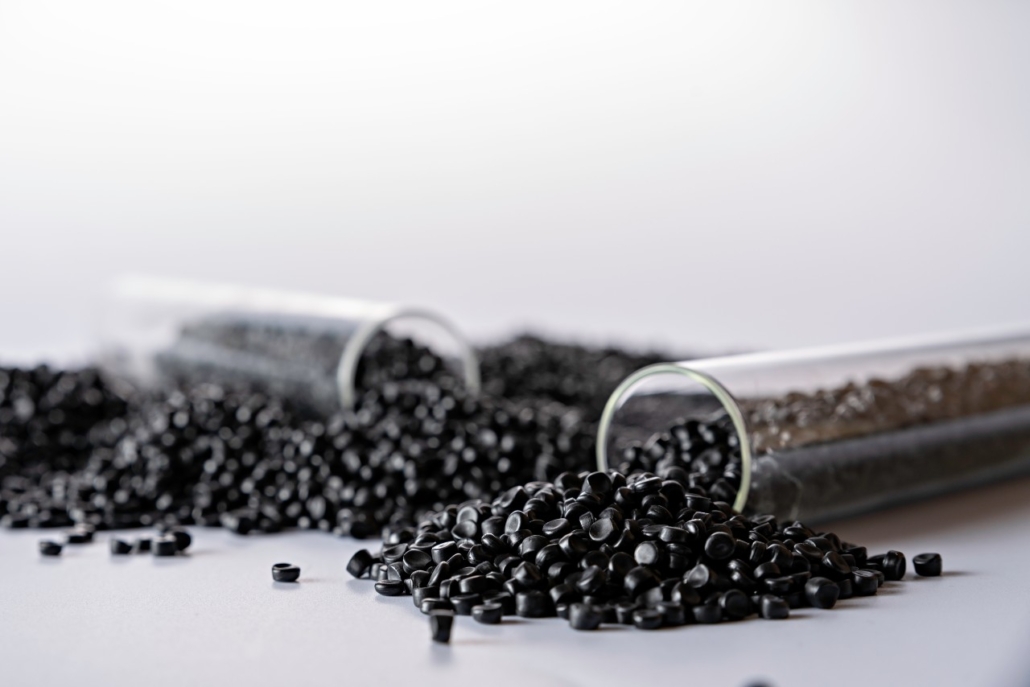
What are two of the main plastics in use today and how do they differ
Plastics play a key role in many industrial sectors due to their versatility, strength and lightness. An incredible amount of products, accessories, packaging and much more are made from plastic. Accessories for the textile sector, or small items such as those in which Beschi is involved, are also made of plastic. The reason for this can be seen in the features we have mentioned.
Plastic is a versatile material that can be easily adapted to different production and end needs. It is very durable, lasts over time and keeps its properties for a long time. It is lightweight and completely customizable. But to get the maximum benefits for your application, it is essential to choose the right type of plastic material.
In fact, there are different types of plastics. In this article, we will discover the main plastics used: polyethylene (PE) and polypropylene (PP).
Polyethylene: what it is and what its characteristics are
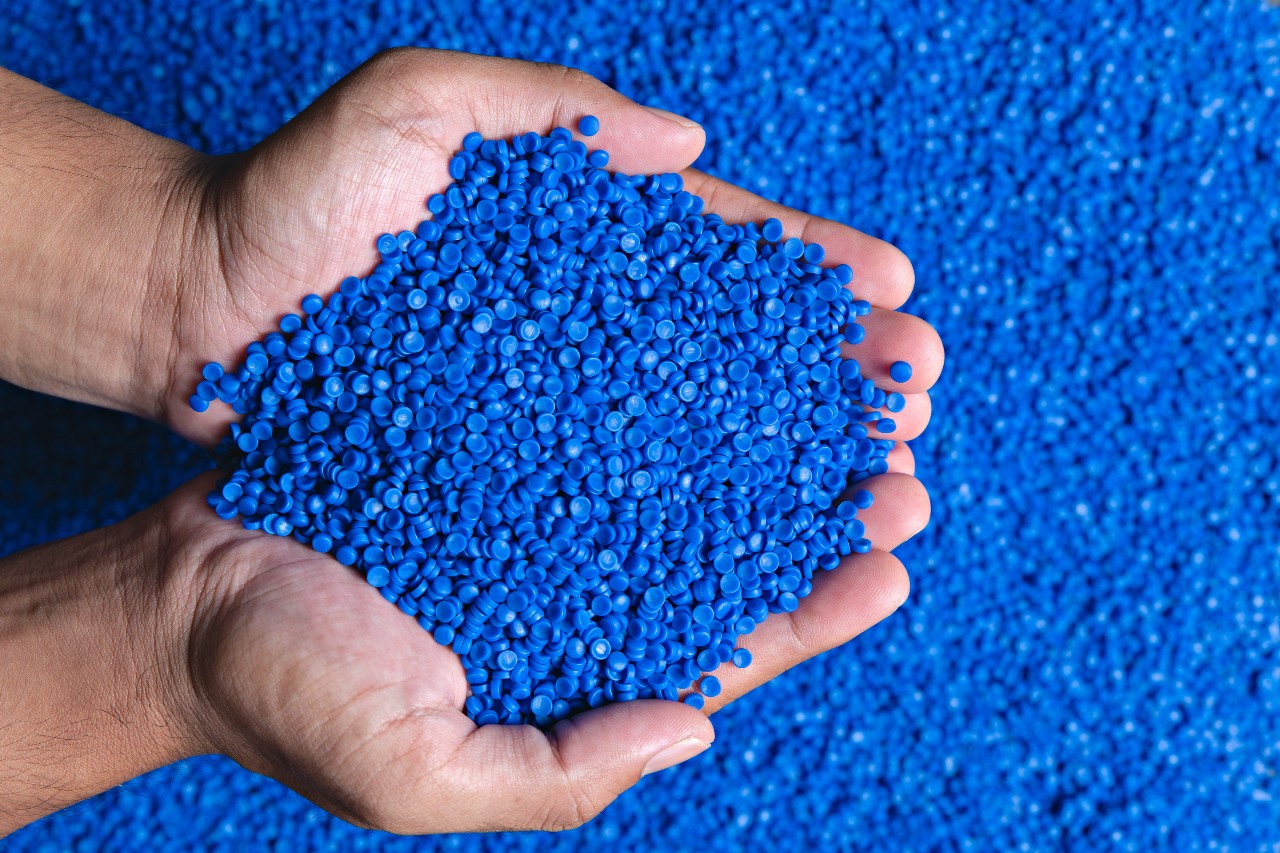 Polyethylene (PE) is one of the most widely used plastics in the world. This is mainly due to its exceptional versatility. It is divided into two types:
- low-density polyethylene (LDPE). It is a thermoplastic polymer obtained from petroleum, the first type of polyethylene synthesized in 1933 by a high pressure process with radical polymerization. Technique which, with the necessary innovations, is still used. It has the most branched molecular structure, making it flexible, transparent and shock resistant. It also has excellent water resistance and can withstand temperatures of 80°C continuously and 95°C for a short time. It is ideal for applications such as films, bags, coatings and flexible packaging.
- High-density polyethylene (HDPE). It has little branching and greater tensile strength than other polyethylene varieties; therefore, HDPE has a higher specific strength. It is usually visibly harder and more opaque, and can withstand higher temperatures (120°C for short periods, 110°C continuously). Being even more rigid and resistant than LDPE, it is used in applications such as thick bags and food containers.
Both LDPE and HDPE are also an environmentally sustainable choice, as they can be recycled infinitely times.
The characteristics of polypropylene
Polypropylene (PP) is another widely used plastic, especially in the packaging industry but not only. Here too we can distinguish between two types:
- PP Homopolymer. It is a more rigid type and is often used in plastic moulding, which is the production of articles for applications where greater mechanical strength is required. It is also heat resistant;
- PP Copolymer. A more flexible and transparent variant, offers greater protection especially for food products. It is used for applications such as flexible packaging films and to hold items that must also stand out well inside the package, thanks to its high transparency.
Which one to choose? The differences between polyethylene and polypropylene
Although both polyethylene and polypropylene are thermoplastic materials, they do have key differences in some of their particular characteristics due to their chemical structure. This determines whether one or the other is more or less suitable for specific uses.
- flexibility. PE, and in particular HDPE, is more flexible and soft than PP. This feature makes it ideal for applications where a lot of elasticity is required. PP, on the other hand, is more rigid and retains its shape better, making it more suitable for products or applications where greater rigidity is required;
- Protection. PP further protects the product from high temperatures and oxygen. PE, being more porous, allows more air to pass through and is therefore better suited (in the case of food products) for the packaging of dry products;
- Resistance to heat. PP is more resistant to high temperatures than PE, which makes it suitable for applications requiring thermal resistance;
- Transparency. Polypropylene is generally more transparent than polyethylene, a feature appreciated for packaging that requires visibility of the product.
The many plastic solutions proposed by Beschi
 Beschi’s mission for over 50 years has been to provide cutting-edge technologies that can meet the needs of textile companies, while ensuring environmental sustainability.
Not only that, in addition to this, the company is also involved in the design and supply of furniture accessories and plastic molding services, addressed to all those who need to make any custom article in plastic, and who already have their own molds.
As with all other Beschi products, third-party moulding can rely on the use of high quality plastics. Standard raw materials are always available (PP OMO E COPO, AB,. PE, PS, PVC NYLON, ACETALICA and others); this allows orders to be processed quickly and custom-made products, customized and resistant.
Plastic is a material with exceptional characteristics, which should be treated with due care. For this, Beschi has always been attentive to the sustainability of production processes and works to make products more green and environmentally friendly, using recycled plastic.
30% of the plastics used for the manufacture of accessories for the textile industry comes from recycled plastic, resulting from post-production. In addition, all items are certified with data sheets that identify the type of plastic used to facilitate disposal. The stretch film used for packaging is also made of recycled LDPE. Plastic packaging and finished products are then sold to companies specialising in the regeneration of PE for recycling.
High product quality has always been at the core of business ethics. A varied, diversified and high-quality production covering all production needs has made Beschi a reference point in the sector. For more information, please contact us!